
BORN2SHOP Spring Wardrobe Reset
- Mar 1
- 6 min read
Updated: Mar 5
A 3-PART PROCESS
PART 1: THE CLEAR-OUT
“It’s About Clarity.”
At BORN2SHOP, we don’t purge for the sake of minimalism. We refine for the sake of style. Before you even think about buying something new, you need to see what you truly own.
Here’s how to do a proper clear-out — the B2S way.








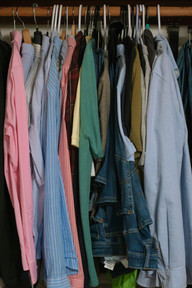





STEP 1: Take Everything Out
Yes. Everything.
Drawers. Shelves. Rails. Storage. The back corner you pretend doesn’t exist.
You cannot edit what you can’t see.
Lay it all on the bed. Group by category:
Blazers
Trousers
Denim
Shirts
Knitwear
Dresses
Outerwear
Shoes
Handbags
Visual overload is part of the process. It shows you the truth of what you have. Brace yourself. Be gentle on yourself.
STEP 2: Create 4 Clear Piles
No vague “maybe” chair allowed.
Love & Wear Often
Needs Tailoring / Repair
Sell / Donate / Swap
Recycle
Be decisive. If you hesitate for more than 10 seconds, ask:
Would I buy this again today?
Does it fit the life I live now?
Does it align with who I am becoming?
Do I feel Zowie in it? Do I feel great? Be honest!
Style evolves. So should your wardrobe.
STEP 3: Fit Check Everything, Yes Everything
Try on key pieces.
Especially:
Trousers
Blazers
Jeans
Dresses
If it pulls, gaps, pinches or needs constant adjusting — it’s not serving you.
We do not keep clothes for a past version of ourselves. Unless . . . they are vintage, investment pieces.
Keeping ‘some’ things for sentimental reasons is okay, however don’t overdo it. Be practical with the space you have. Taking over your partner's closet or paying for storage space, so that you can keep your old clothes, isn’t cost-effective long-term.
STEP 4: Check Fabric & Condition
Look at:
Pilling
Fading
Stains
Loose stitching, lost buttons
Worn collars
Dull hardware
Designer or not — if it looks tired, it makes the whole outfit look tired, and you’ll feel tired wearing it.
Quality over quantity always.
STEP 5: Identify Duplication
How many do you really need:
Black blazers?
White shirts?
Skinny jeans?
Basic tees?
Little black dresses?
Black heels?
Handbags?
Sometimes we don’t need more — we need better.
This is where smart shopping begins.
STEP 6: Separate Emotion from Function
We all have:
The “expensive mistake”
The “I wore this once”
The “price tag is still on it”
The “it might come back in fashion”
“I’ll fit into it someday”
If it hasn’t been worn in 18–24 months (seasonally appropriate), it’s time to release it.
Sentimental pieces can live in a keepsake box — not your main wardrobe.
STEP 7: Decide Where It Goes
Be intentional:
Donate to charity
Swap with friends
Sell (Vinted, Vestiaire, eBay)
Recycle textiles responsibly
Nothing wasted. Everything considered.
STEP 8: Spot the Gaps
Now look at what remains.
You may realise:
You have no structured blazer
Your white shirt is tired
Your jeans no longer fit perfectly or you’d prefer a different style: switch from skinny to wide-leg
You lack a strong neutral trouser
Don’t shop yet. Just note it, make a list and shop around.
Part 3 will be about replacing wisely.
Clear space first. Clarity creates style confidence.
PART 2: ORGANISING THE NEW EDIT
“Curate What Remains”
Now that you’ve edited — it’s time to elevate.
This isn’t about Pinterest perfection. It’s about function, visibility and ease.
Your wardrobe should feel like a boutique — not a storage unit. When you open the doors, you should see options, not overwhelm.









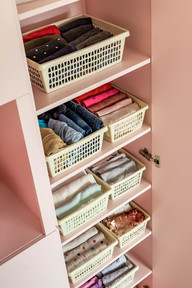







STEP 1: Group by Category (Not Chaos)
Organise by:
Jackets & blazers
Shirts & blouses
Knitwear
Dresses
Trousers
Denim
Occasionwear
Travel, vacation outfits
Keep similar pieces together. It simplifies styling.
STEP 2: Colour Flow Within Categories
Light → Mid → Dark
Neutrals together. Then colour. It makes outfit building intuitive. You instantly see what pairs well.
STEP 3: Invest in Good Hangers
Matching hangers = visual calm.
Wooden or slim velvet hangers elevate everything instantly. No wire hangers. Ever.
STEP 4: Create a “Front Rail” Section
This is key.
Have a small section for:
Current season favourites
Go-to pieces
Outfit formulas you love
Rotate monthly. It keeps your wardrobe dynamic.
STEP 5: Drawer Discipline
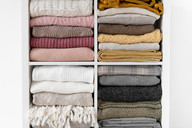
Fold: I use a Vogue magazine, so everything is the same width ; )
Tees
Loungewear
Knitwear – I fold all my knitwear, never hang it
Under garments and socks – keep styles together and organise by colour
Use dividers if needed. IKEA and Amazon offer great containers for all your wardrobe items. Nothing should be crammed.
STEP 6: Store by Season — But Smartly
If you have space:
Move heavy winter coats away – use a cloth or plastic storage bag to avoid it getting dusty until the next season you’ll need it
Store heavy knits – use cedar balls to protect from bugs eating your knitwear
But keep 1–2 transitional layers visible. British weather is unpredictable.
STEP 7: Showcase Your Best Pieces
Let beautiful items breathe.
Your favourite blazer deserves space. Your best handbag shouldn’t be crushed.
Luxury lives in spacing.
STEP 8: Build Outfit Formulas
Now that it’s organised, create 3–5 formulas:
Blazer + Tee + Tailored Trousers + Loafers
White Shirt + Straight Jeans + Belt + Sneakers
Knit + Midi Skirt + Boots
Write them down. Photograph them for later reflection. This is how you reduce morning stress.
STEP 9: Maintain Monthly Micro-Edits
Spring cleaning isn’t once a year.
Every month:
Remove 1 thing
Repair 1 thing
Re-style 1 thing
Recycle if you’re not feeling the joy any longer
Style is maintenance, not a one-time event.
An organised wardrobe isn’t about perfection. It’s about intention. When you see clearly, you dress confidently.
PART 3: Rebuild From the Foundations
“The Real Transformation Happens in the Rebuild.”
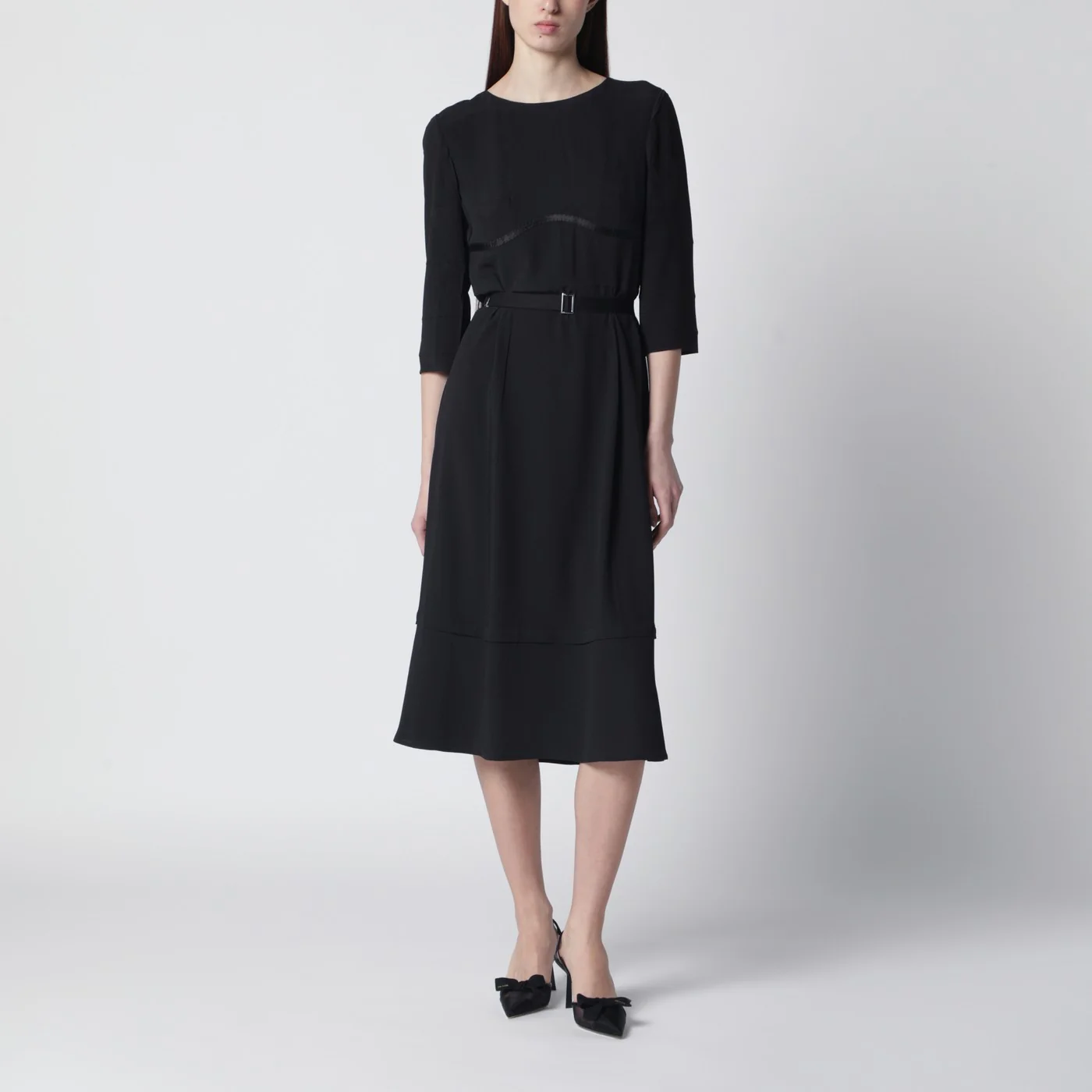
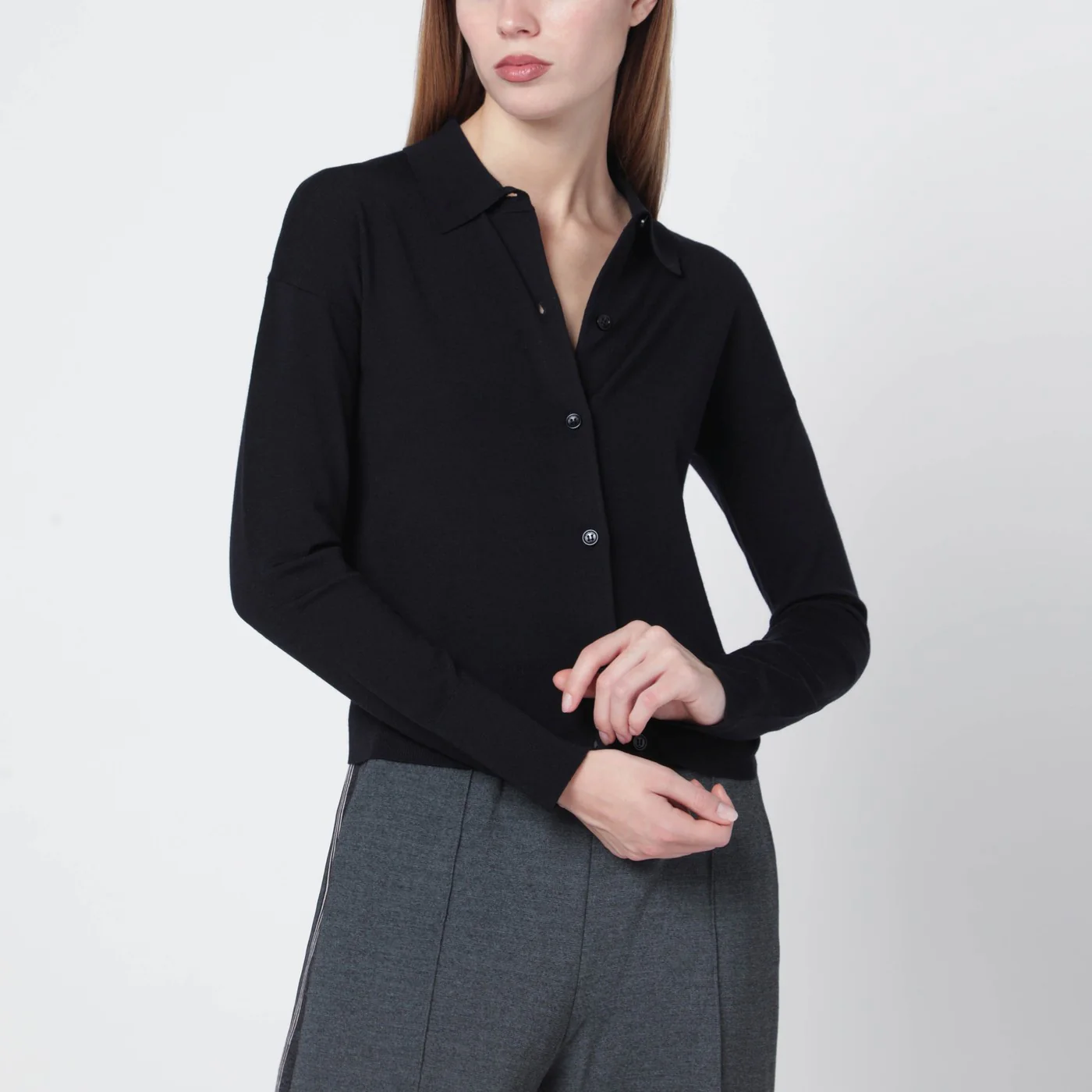
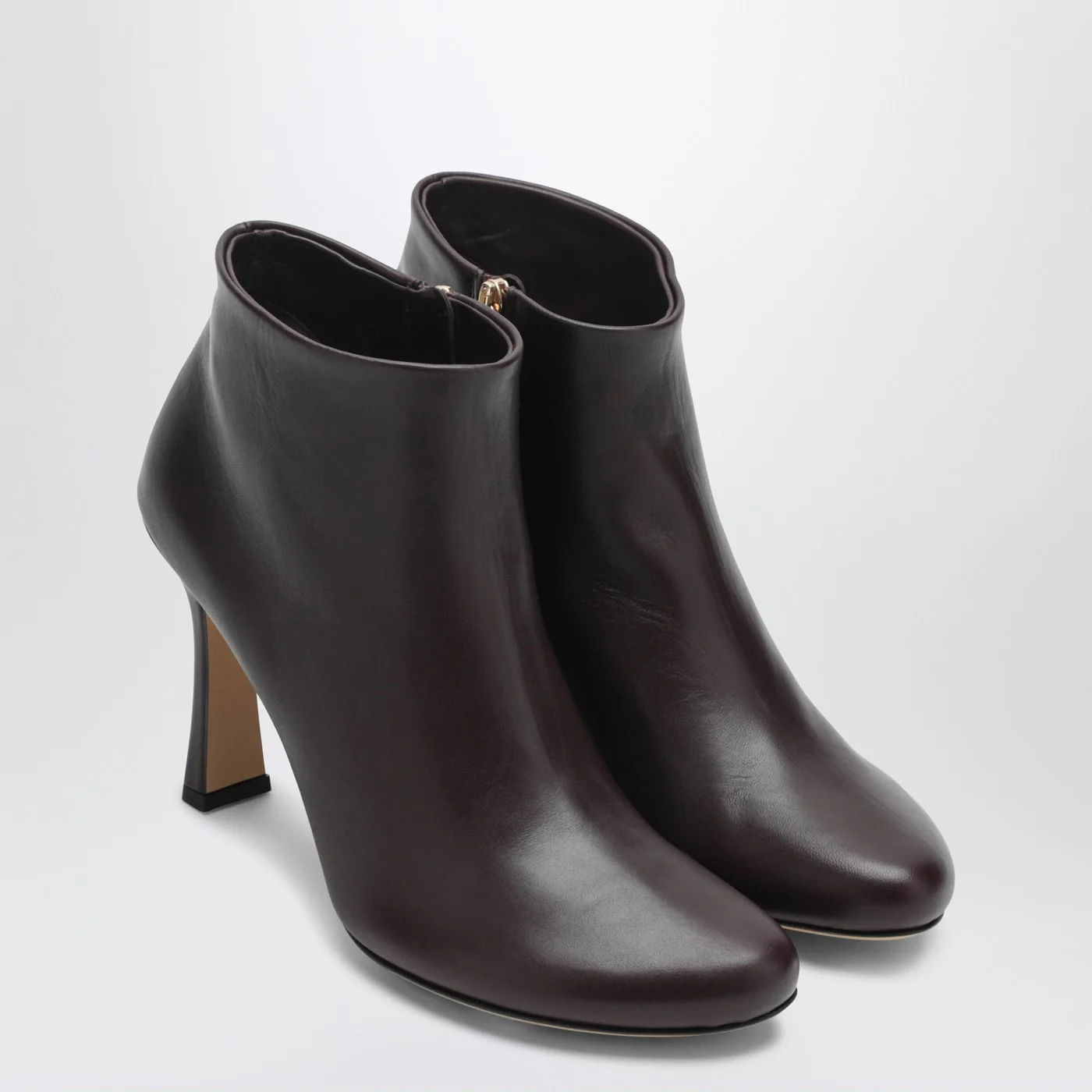
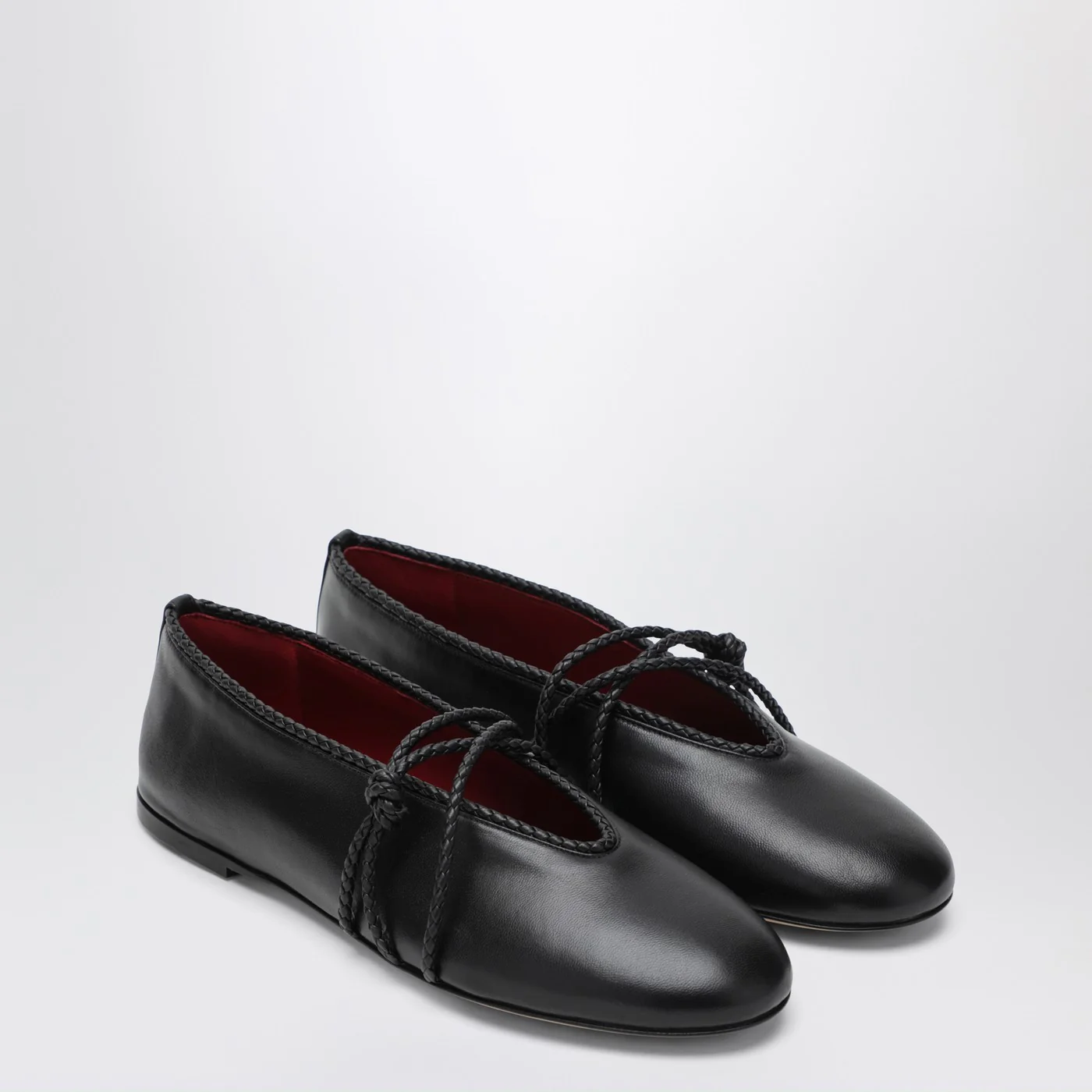
It’s never too early to do a wardrobe spring clean. But the reset doesn’t stop once you’ve cleared space and organised what remains. And this is where so many people go wrong. They edit beautifully — then replace impulsively. That’s not refinement. That’s repetition.
At BORN2SHOP, rebuilding is about strengthening the foundation — not adding noise.
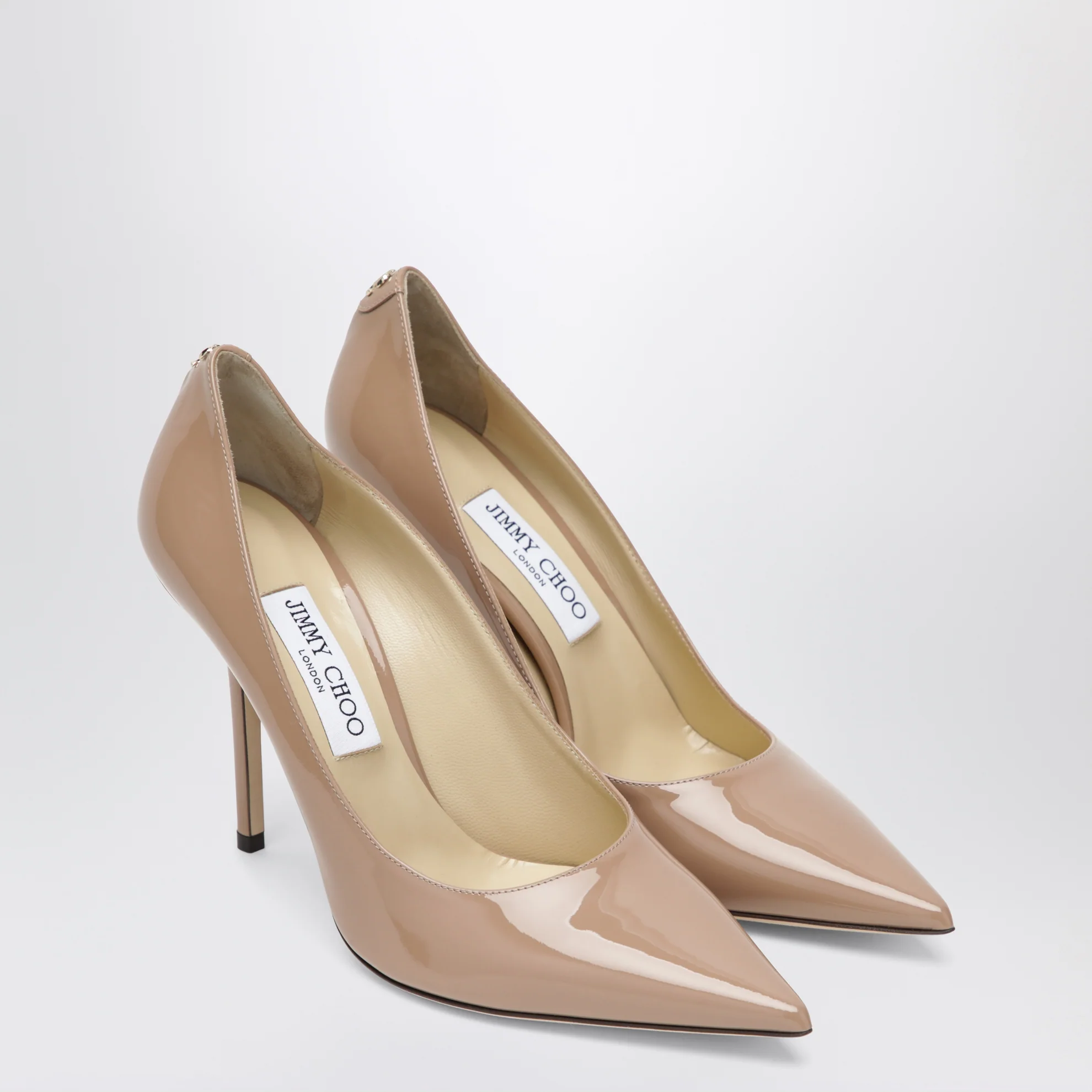
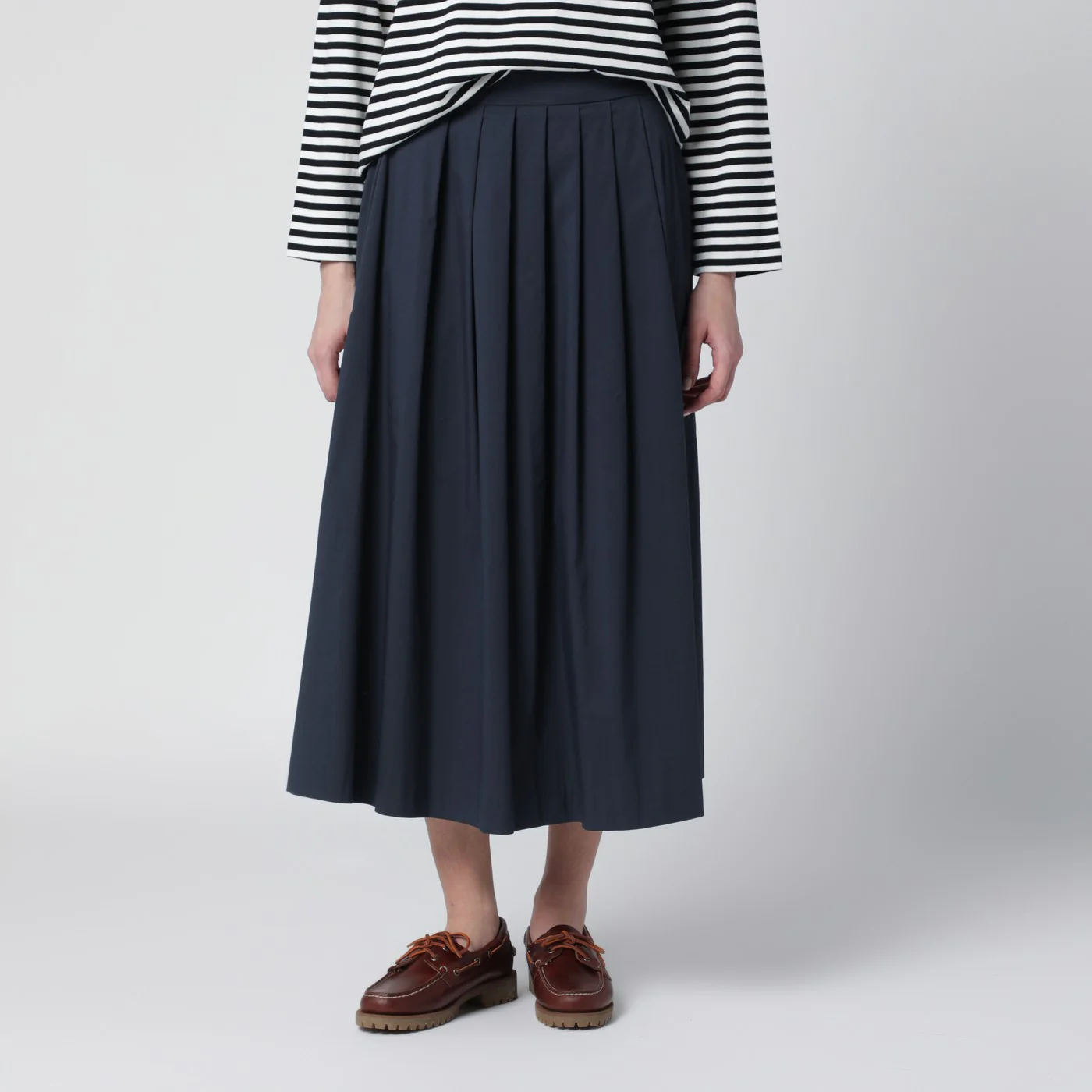


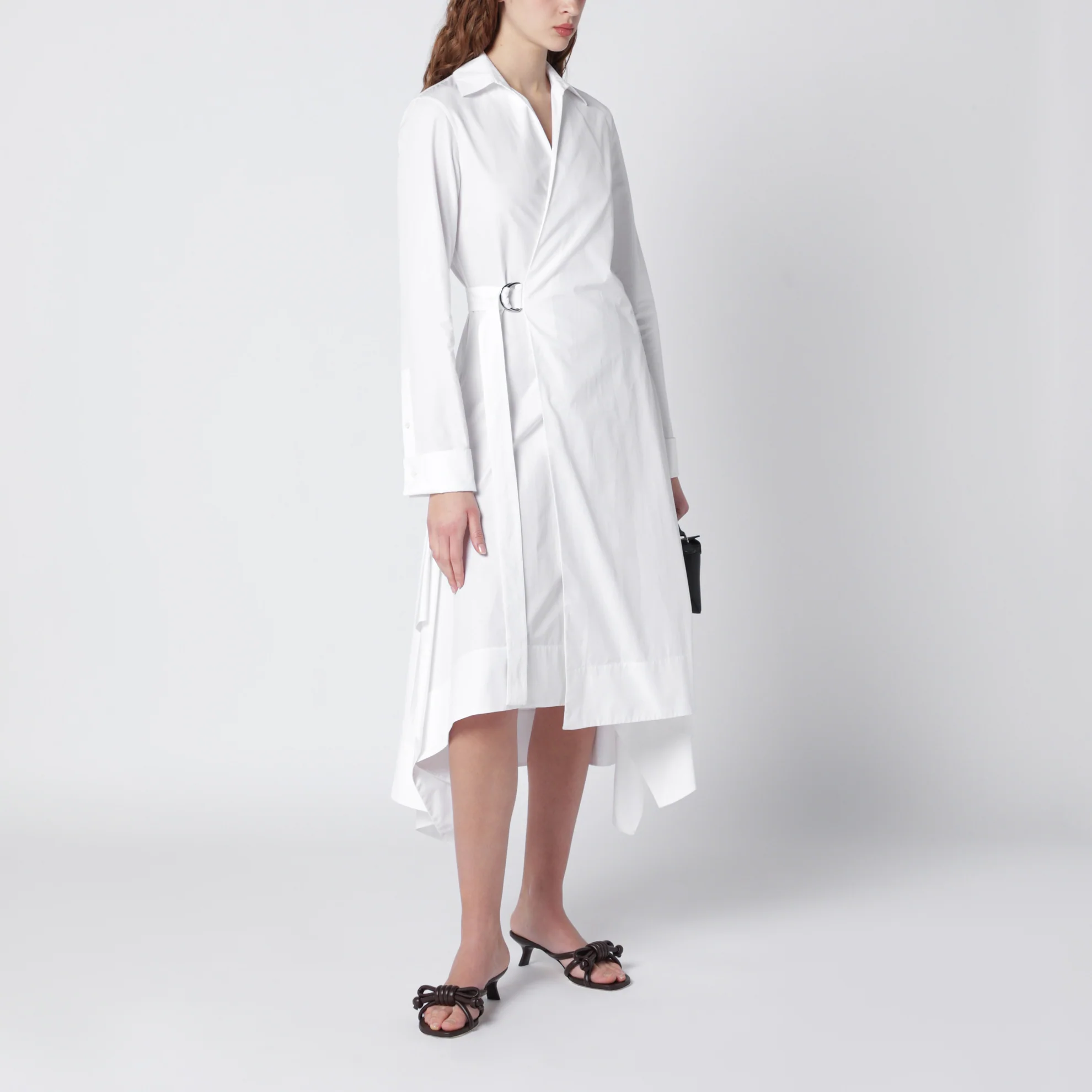
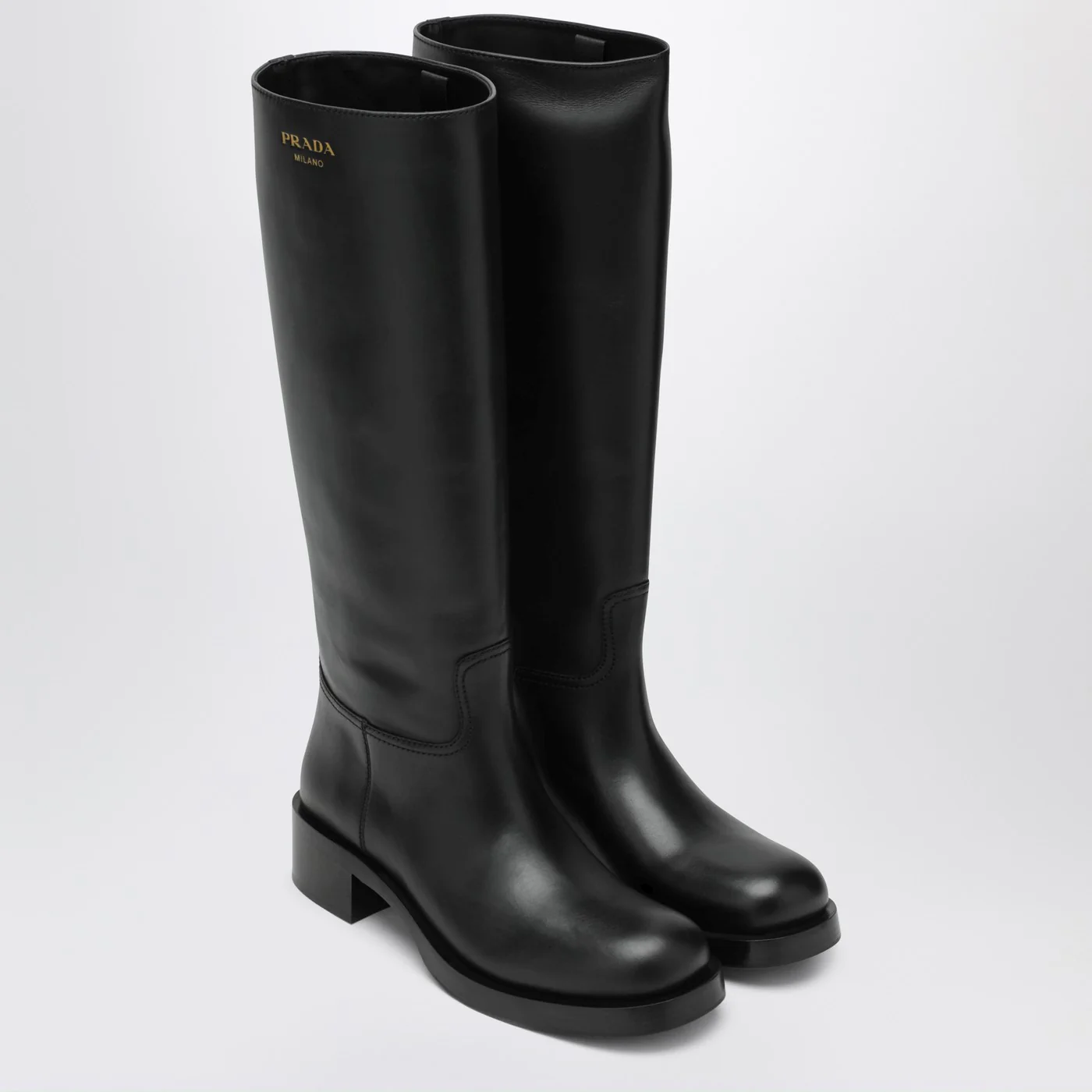


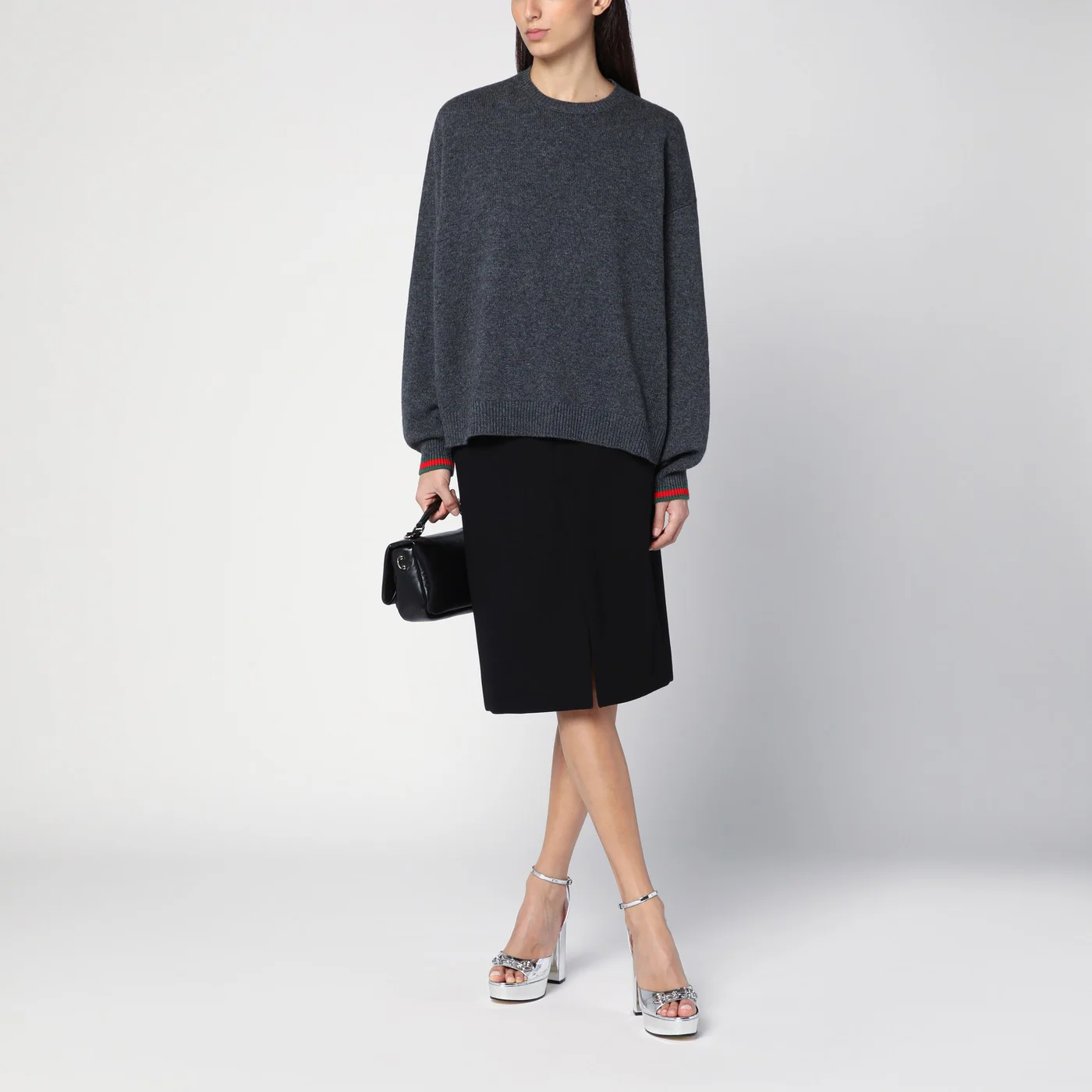





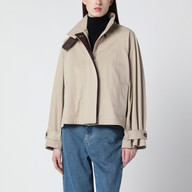



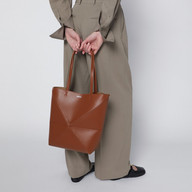


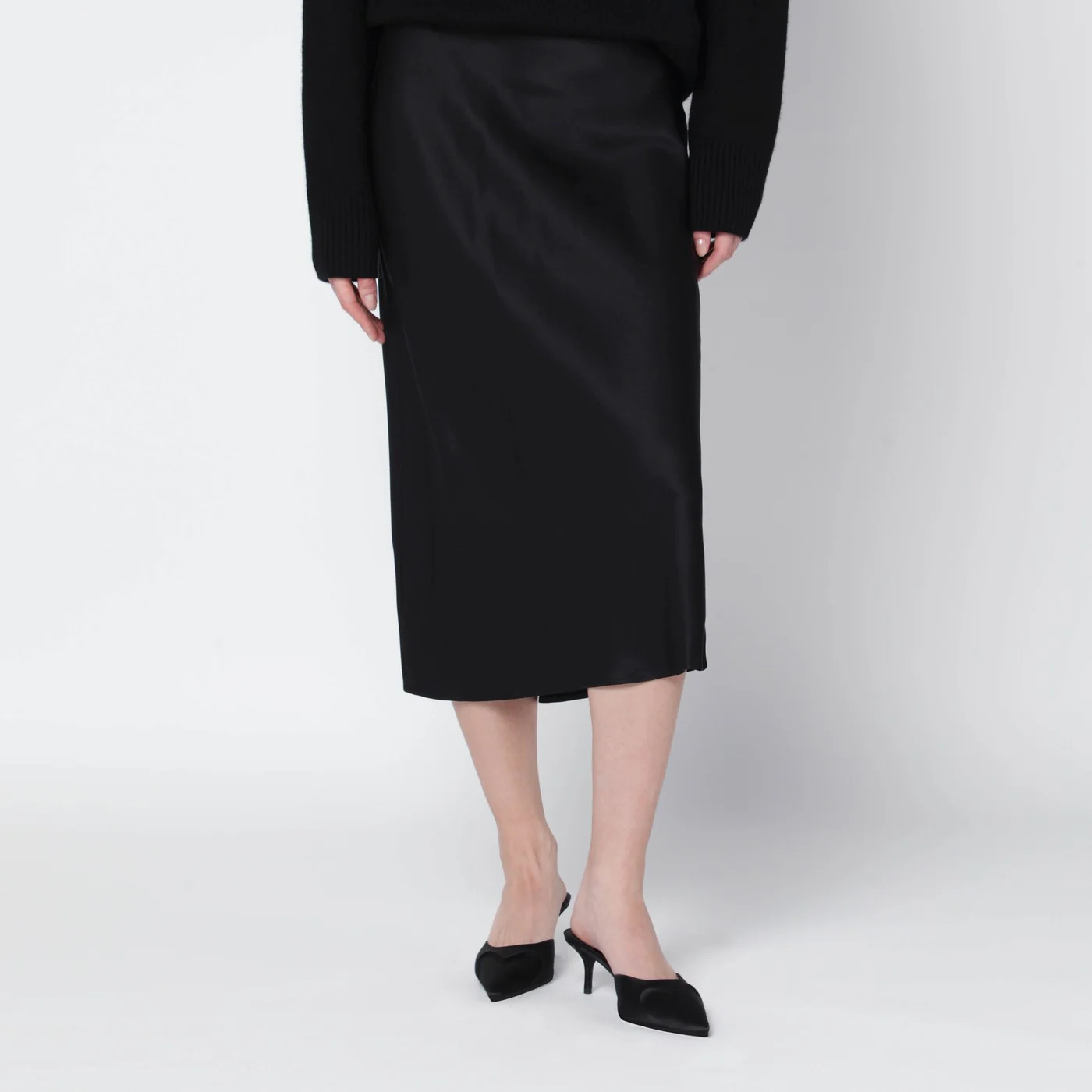


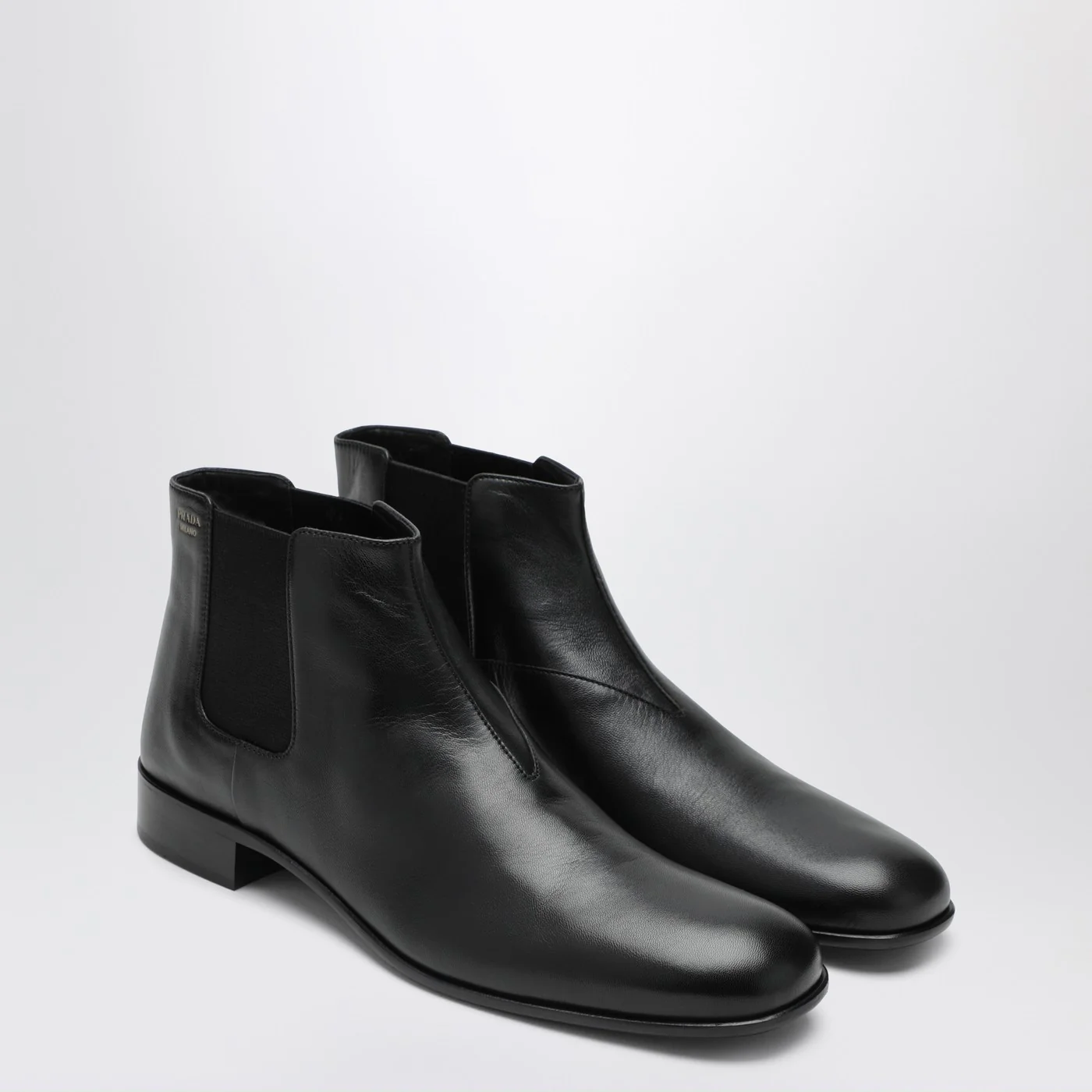




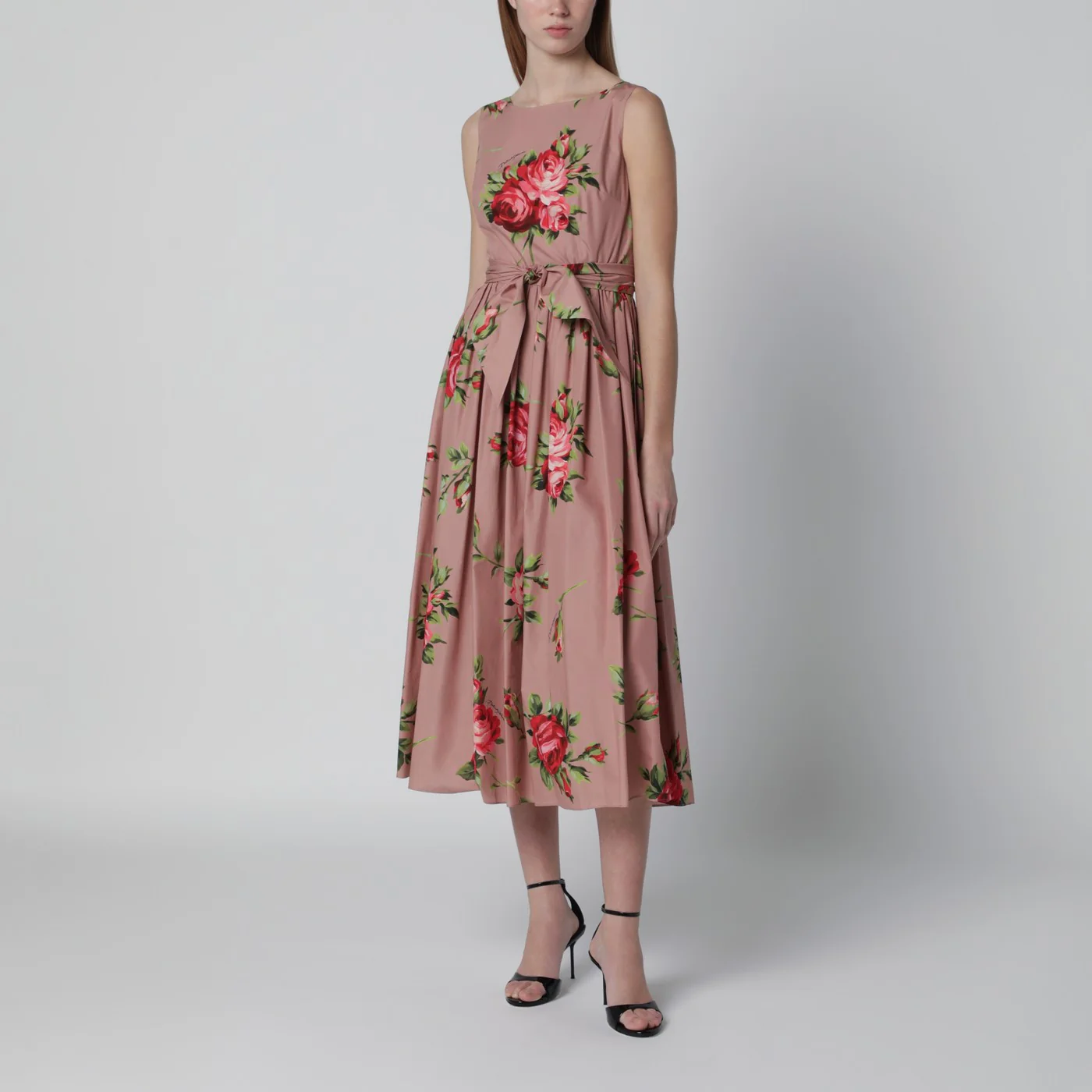
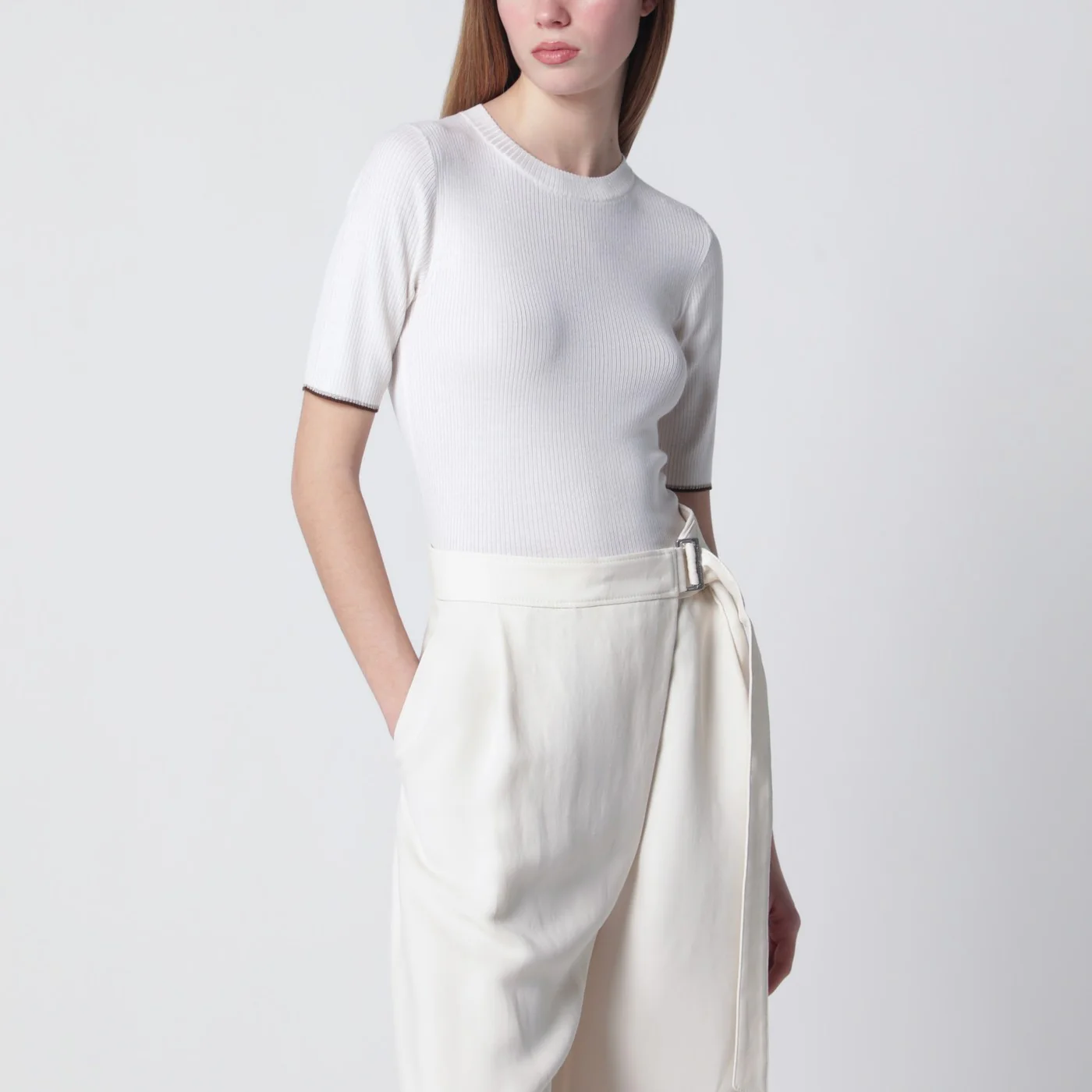


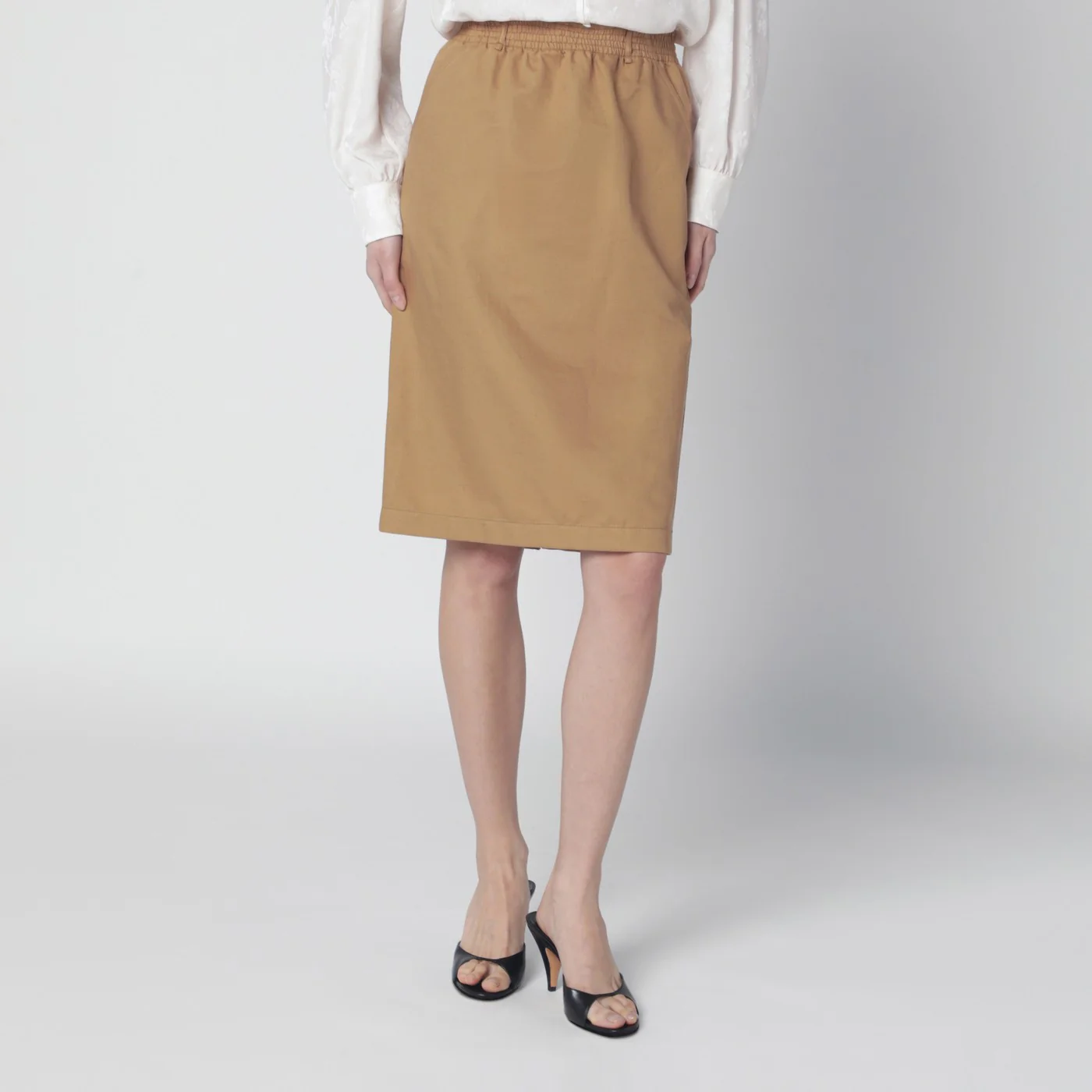










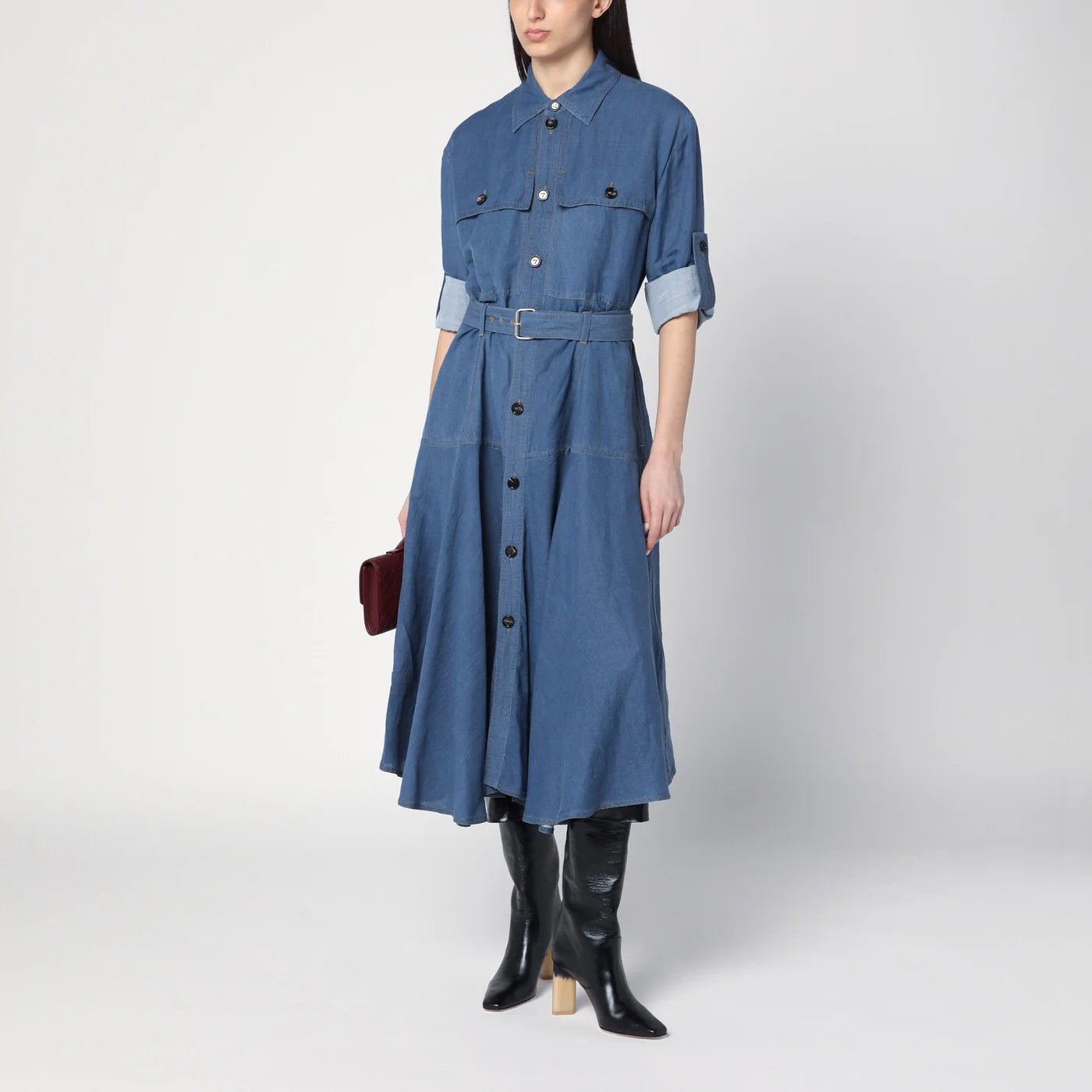
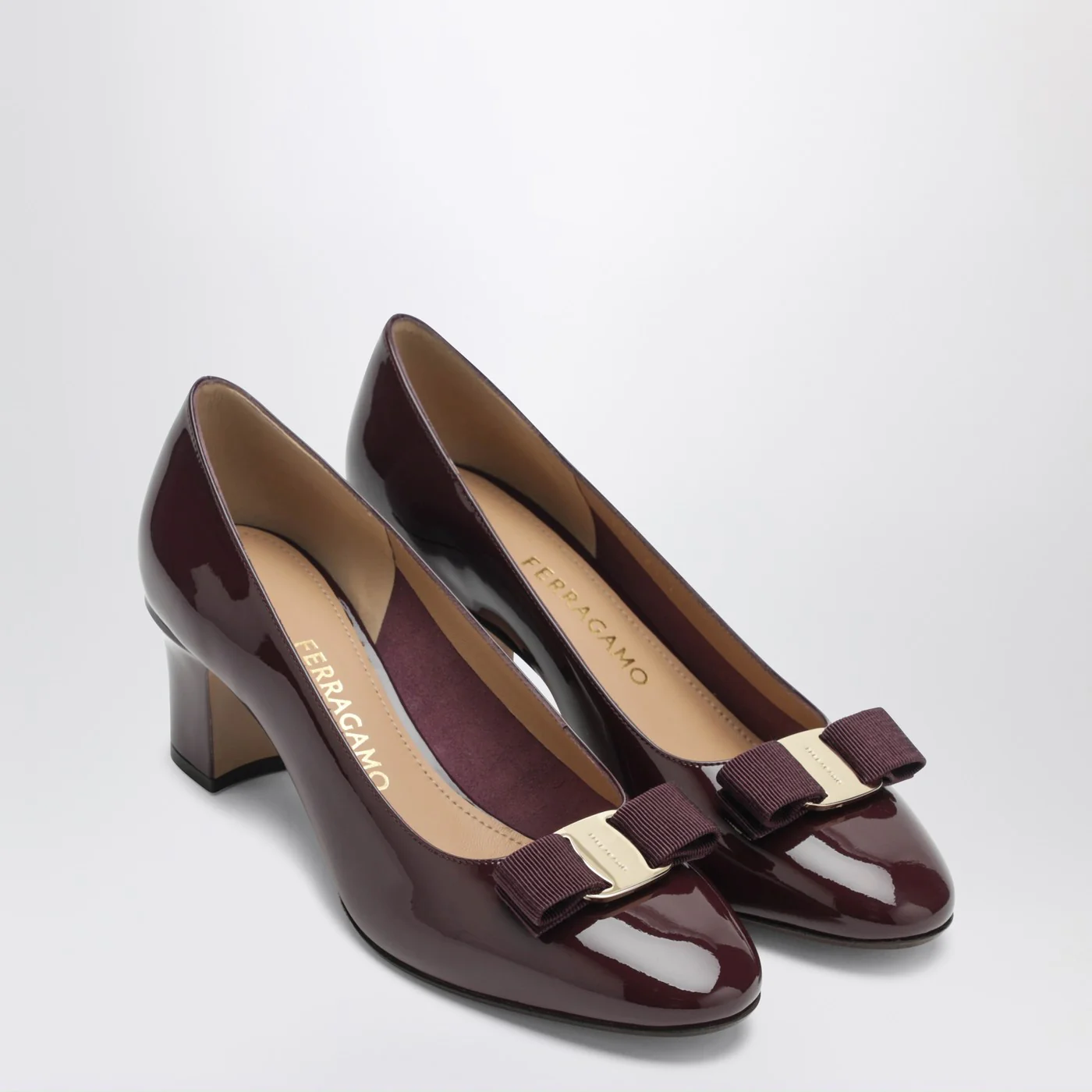


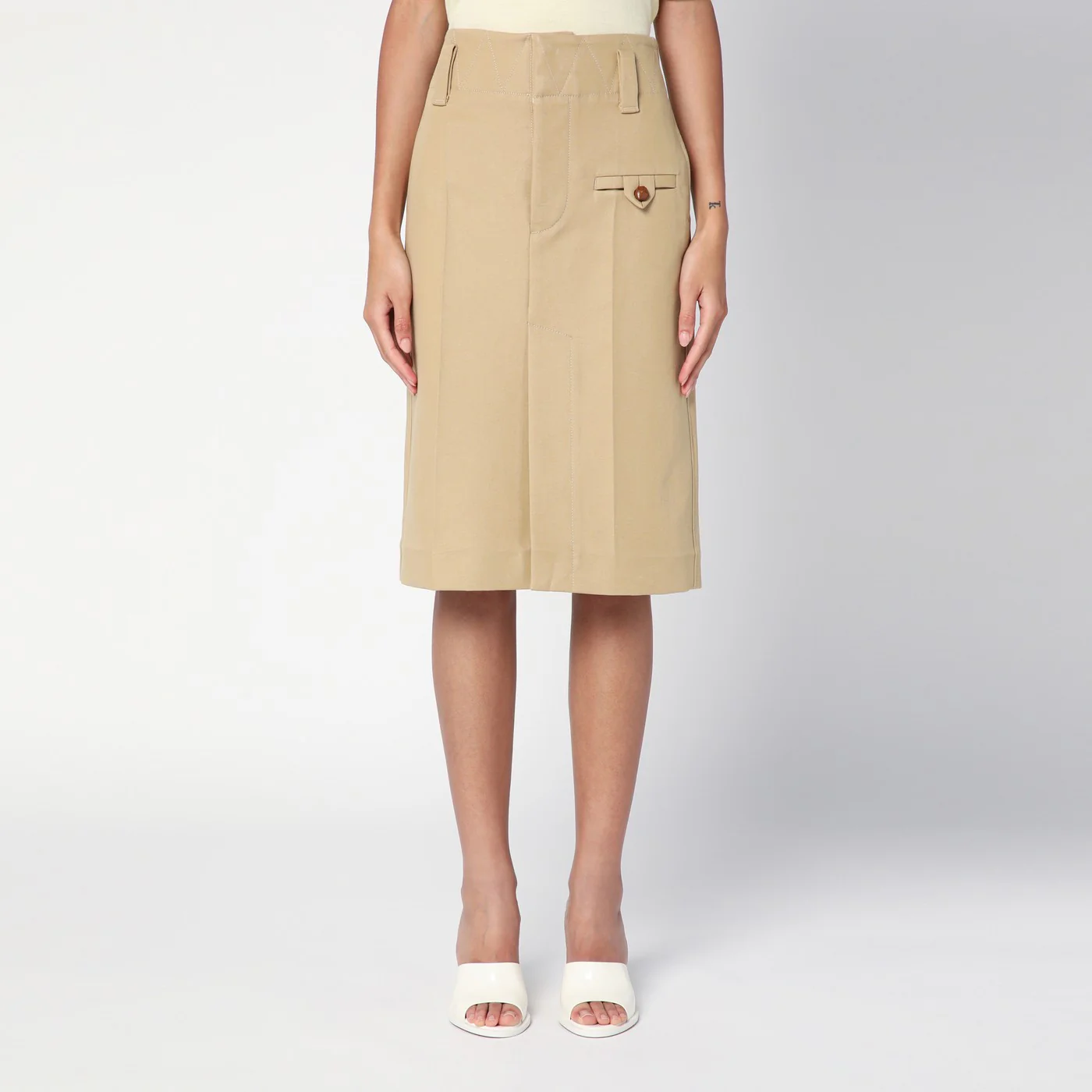


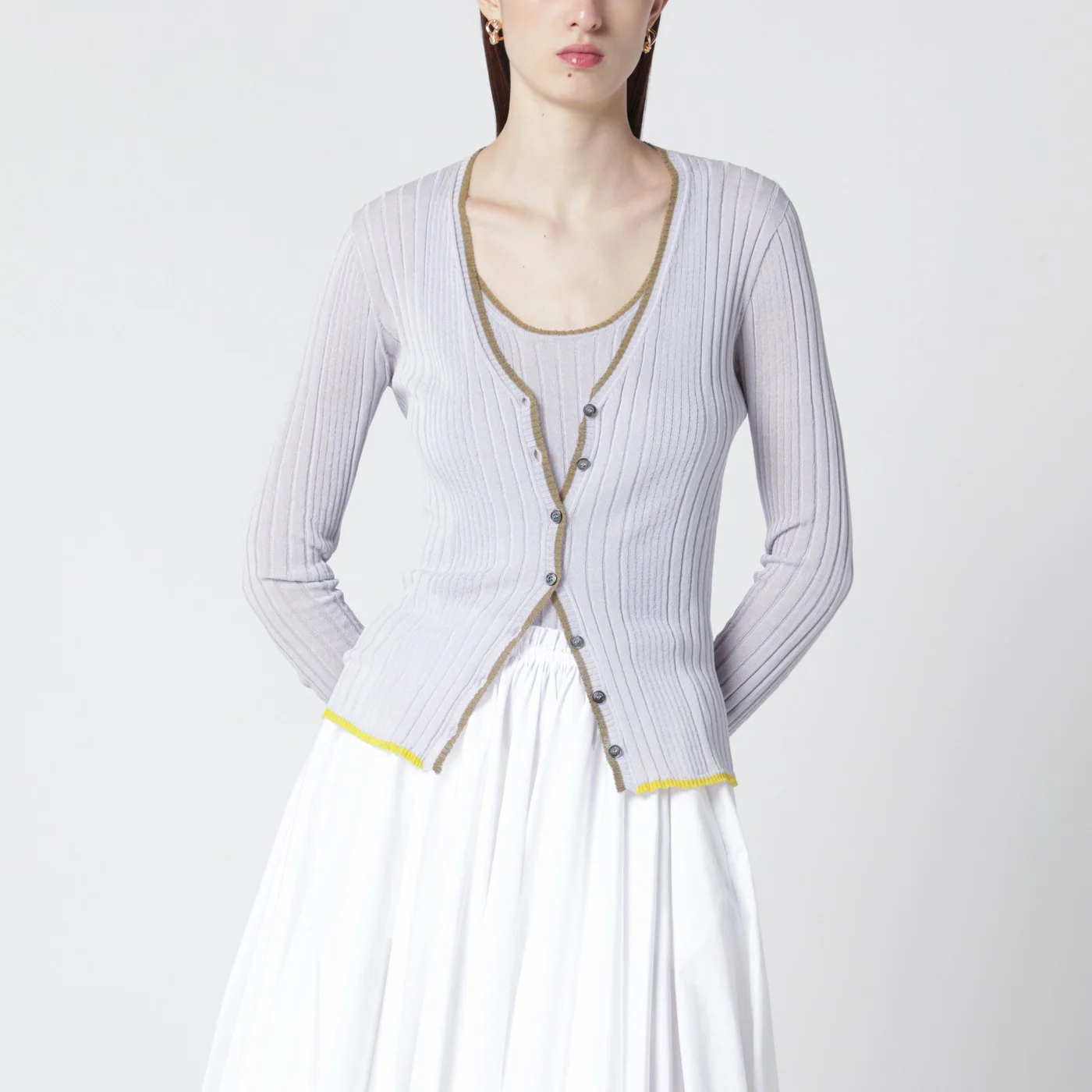
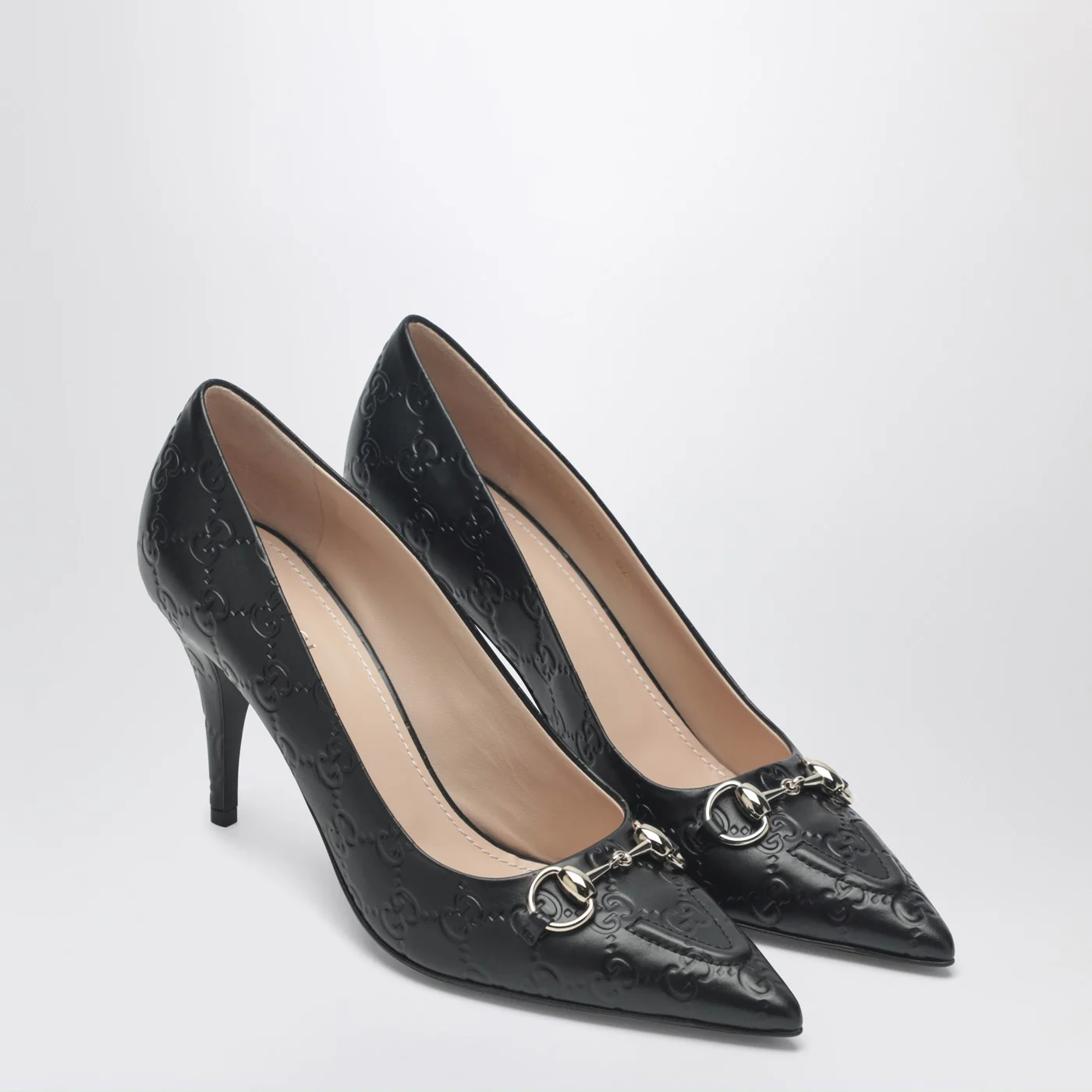
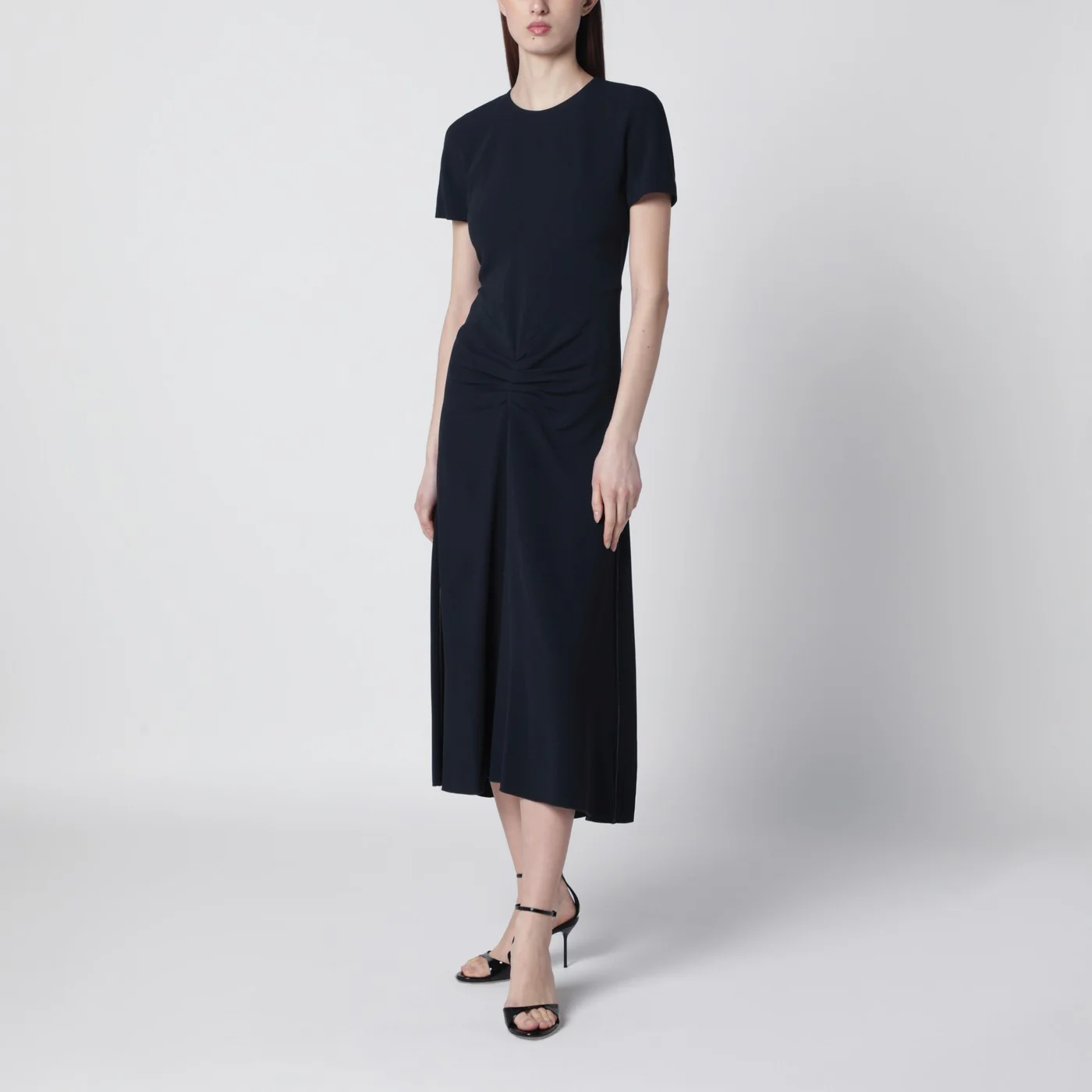
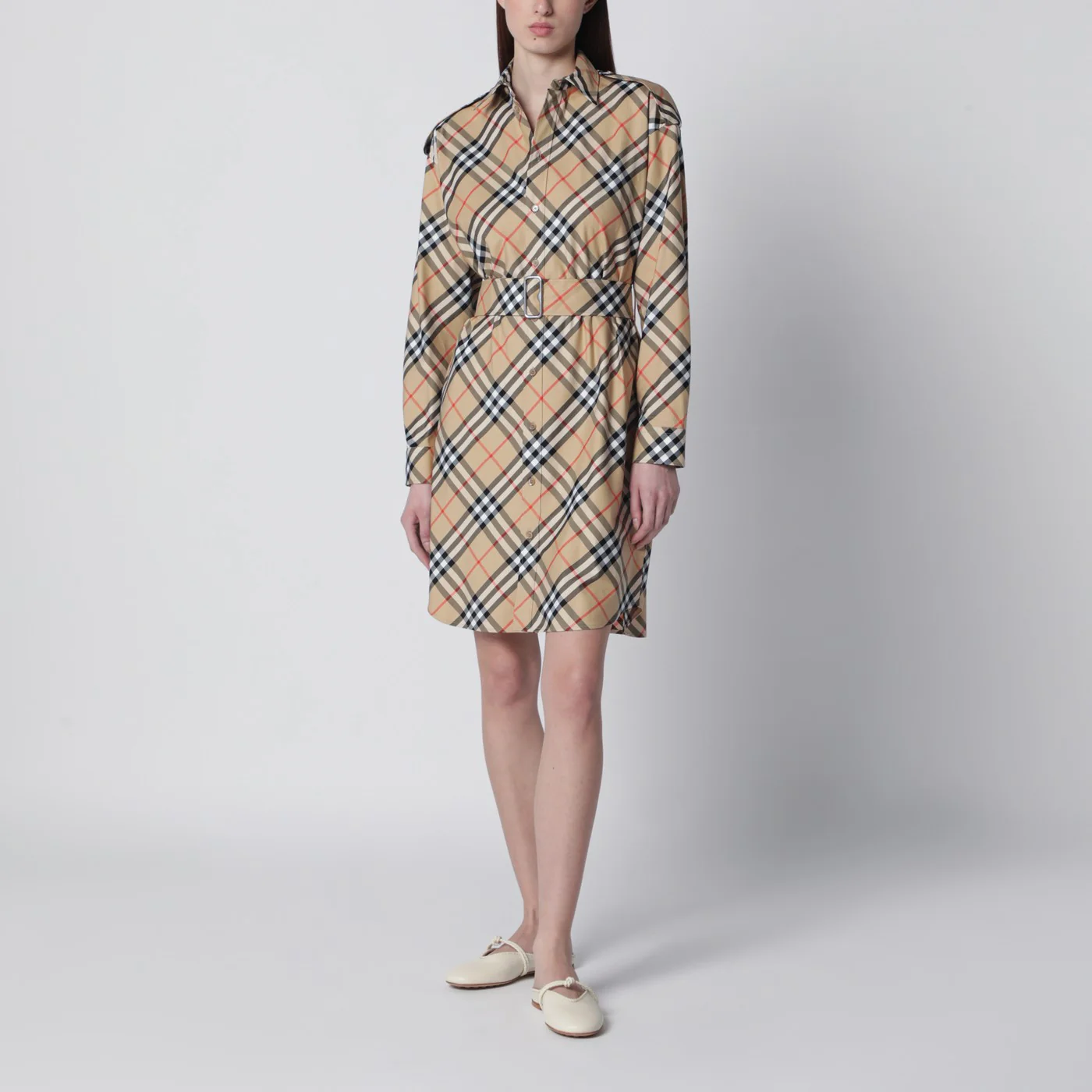
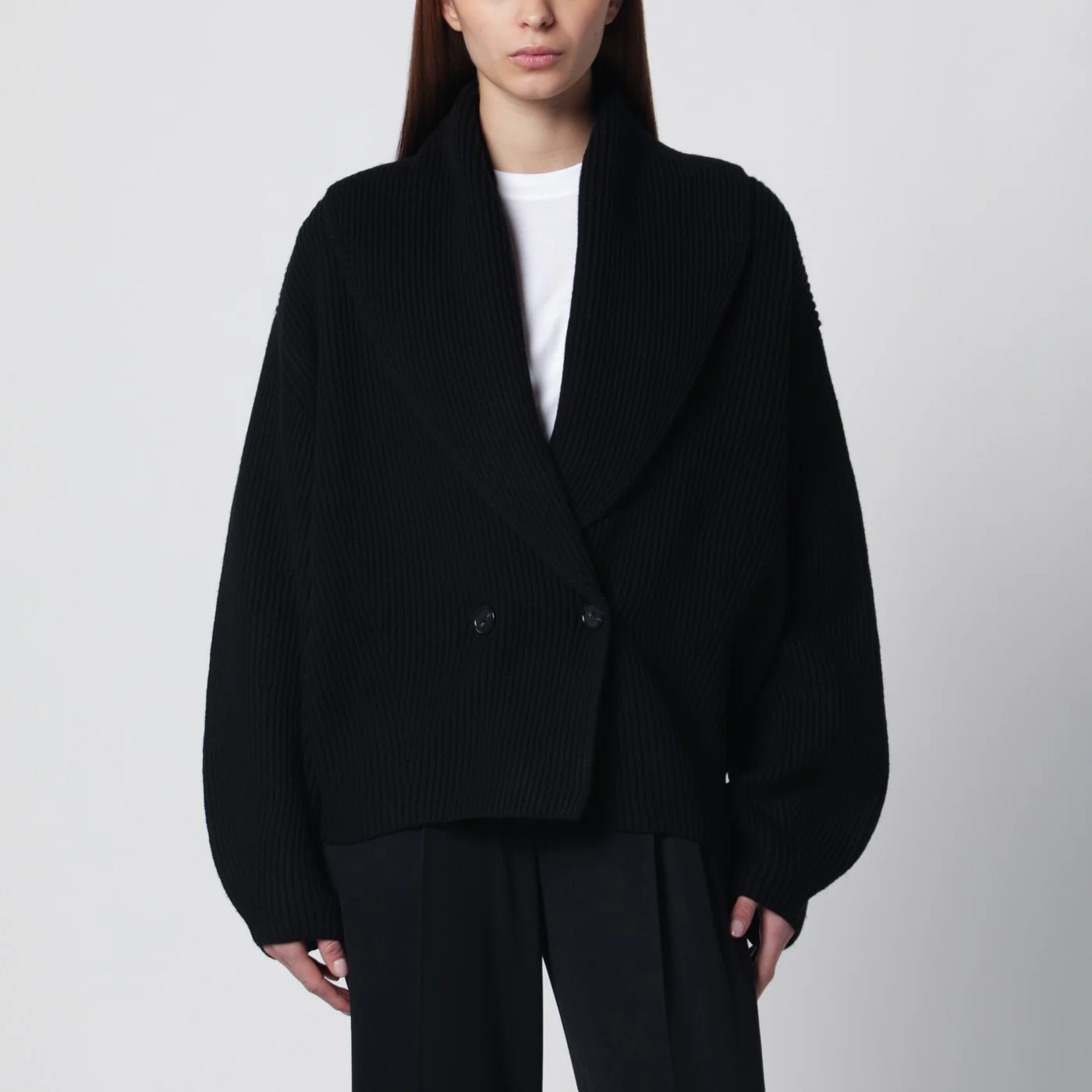
Not About Throwing Everything Out
Spring cleaning is not a dramatic purge. It’s not about discarding your identity.
It’s about refining, rebuilding, and focusing on what truly works for your lifestyle now.
After you’ve edited thoughtfully — donating to charity, swapping with friends, selling on, or responsibly recycling what no longer serves you — you’re left with clarity.
Clarity reveals gaps. And gaps reveal opportunity.
The Foundation Pieces That Anchor a Wardrobe
Rebuilding starts with structure. These are not trend-driven additions. They are anchors.
A great pair of trousers. Cut well. Structured. Versatile.
A sharp blazer jacket. The piece that instantly pulls everything together.
A classic shirt and the perfect basic tee.Clean lines. No fuss. Reliable.
A leather or suede jacket. For edge. For depth. For personality.
Great-fitting jeans that move with you.Not just denim — your denim.
Loafers for polish. Comfortable sneakers for real life.
These are the pieces that do the heavy lifting. They allow you to mix, match, and repeat without overthinking. They reduce decision fatigue. They create cohesion. And most importantly — they get worn.
Designer Style Without Excess
Designer style isn’t about accumulation. It’s about discernment.
It’s not the logo that elevates an outfit — it’s the proportion, the fit, the fabric, the way pieces speak to one another.
When you rebuild intentionally:
You buy fewer pieces.
You buy better quality.
You repeat outfits confidently.
You stop chasing.
That’s the shift.
From consumer to curator.
Why This Matters
A wardrobe reset isn’t about aesthetics alone. It’s about energy.
When your wardrobe is anchored in strong essentials:
Getting dressed becomes easier.
Your spending becomes smarter.
Your style becomes more consistent.
And consistency builds confidence.
This is the bridge between PART 2 (organisation) and something deeper. Because once you understand how to rebuild properly, you begin to see fashion differently.
Not as a constant replacement. But as intentional evolution.
Reset. Refine. Repeat.
Clear space. Rebuild with purpose. Wear everything often. This is how a wardrobe becomes cohesive — not crowded. And this is where the Fashion Reformer philosophy truly begins.
FINAL THOUGHTS
Becoming a Fashion Reformer isn’t about perfection — it’s about intention. It’s about choosing better, wearing more, and building a wardrobe that truly reflects who you are today. It’s about owning your presence — and the way you choose to present yourself to the world . . . inner pride.
You can be a Fashion Reformer too, and BORN2SHOP is here to guide you every step of the way — helping you reset, refine, and rebuild with confidence.
In the coming weeks, I’ll be sharing more about what this philosophy truly means — and why it might just change the way you shop forever.
Watch for:


You can visit our BORN2SHOP LinkTree Shop for some of our other curated collections from our latest TikTok and Instagram features. If there is a particular item you'd like some information on, you can send us a message, and we'll send you the link.
*Affiliate Partner links 🔗 in our B2S Instagram stories, Partner highlights, and in our Linktree Shop are included for your convenience. BORN2SHOP may earn a small commission on purchases made through these links, at no extra cost to you.


Comments